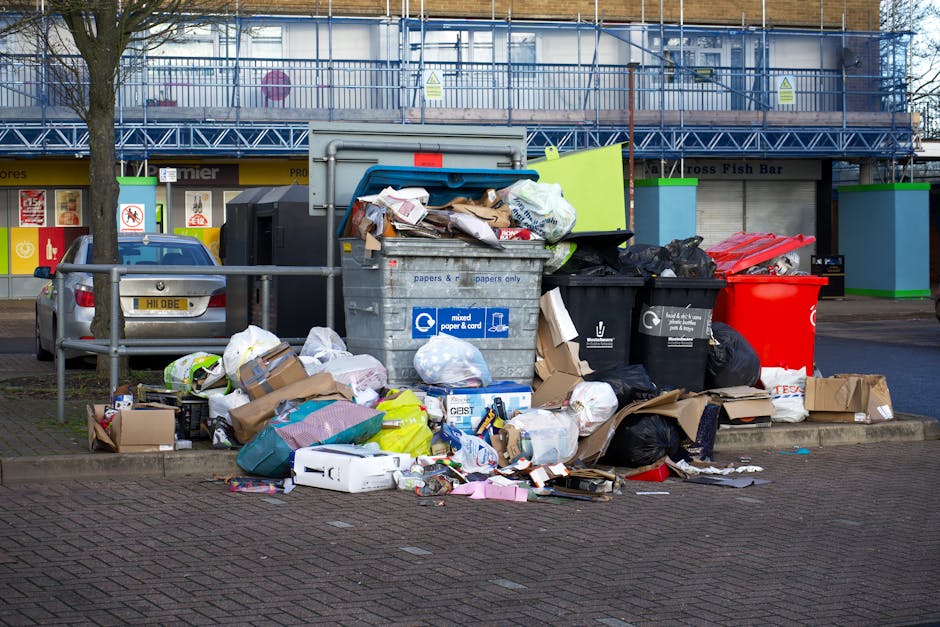
Affordable rubbish removal Pinner Road HA5 tips
If you are trying to clear rubbish on or around Pinner Road in HA5 without overspending, you are not alone. A lot of people want the same thing: a tidy space, a fair price, and no drama with bulky bags, broken furniture, or that awkward pile in the hallway that keeps getting in the way. The good news is that affordable rubbish removal Pinner Road HA5 tips are not just about hunting for the cheapest quote. They are about choosing the right clearance approach, knowing what affects cost, and avoiding the little mistakes that quietly make the bill creep up.
This guide walks you through the practical side of rubbish removal in a local, everyday way. You will see how services are usually priced, when a full clearance makes sense, what to ask before booking, and how to keep things compliant and stress-free. Truth be told, a bit of planning saves more money than most people expect.
Table of Contents
- Why affordable rubbish removal on Pinner Road HA5 matters
- How rubbish removal in HA5 works
- Key benefits and practical advantages
- Who this is for and when it makes sense
- Step-by-step guidance
- Expert tips for better results
- Common mistakes to avoid
- Tools, resources and recommendations
- Law, compliance, standards, or best practice
- Options, methods, or comparison table
- Case study or real-world example
- Practical checklist
- Conclusion
- Frequently asked questions
Why affordable rubbish removal on Pinner Road HA5 matters
Pinner Road is one of those places where space can disappear fast. A front room fills up during a home refresh, a garage becomes a storage cave, or a garden project leaves you with timber offcuts, soil bags, and bits of fencing stacked by the wall. If you leave it too long, the clutter starts to affect how you use the property. You stop parking where you want. You delay decorating. You keep stepping around it. And suddenly the rubbish itself is costing you time, not just money.
Affordable rubbish removal matters because the cheapest-looking option is not always the cheapest in the end. A well-planned clearance can reduce labour time, avoid surprise charges, and keep waste going to the right facility. That is especially useful in HA5, where access, parking, and the type of waste being removed can all affect the final price. A little local awareness goes a long way.
There is also a trust angle here. You want someone who will turn up, take what they say they will take, and handle the job properly. Not everyone thinks about licensing, recycling, or insurance at first. Then, when a heavy sofa needs carrying down a narrow hallway or a load of mixed rubble needs sorting, those details suddenly matter. Quite a lot.
Expert summary: The best value rubbish removal is rarely the flashiest advert or the lowest headline price. It is the service that combines clear pricing, sensible load planning, responsible disposal, and enough local know-how to handle your property without messing you about.
How affordable rubbish removal on Pinner Road HA5 works
Most rubbish removal services work on a simple principle: you show what needs to go, the team assesses the load, and pricing is based on volume, weight, type of waste, labour involved, and access. That sounds straightforward, but the details are where people either save money or get caught out.
For example, a small pile of household clutter in a driveway is usually quicker and cheaper to remove than the same amount hidden in a loft, spread across several rooms, or mixed with awkward materials. Waste removal teams often need to factor in lifting, sorting, carrying distances, and disposal charges. If the waste is heavy, fragile, or bulky, the process may take longer than you think.
In practical terms, the process often follows this pattern:
- You describe the waste or send photos.
- The provider estimates the amount and access conditions.
- A quote is given, ideally with clear inclusions.
- The team arrives, loads the rubbish, and tidies the area.
- The waste is taken away for reuse, recycling, or disposal depending on its condition and type.
The most affordable rubbish removal Pinner Road HA5 tips usually start here: be accurate about what needs removing. If you say "just a few bags" and there are also bricks, a mattress, and a broken wardrobe, the price may change. Fair enough, really.
It is also worth knowing that some jobs are better treated as a waste removal task, while others lean more towards house clearance, garage clearance, or even furniture disposal. Choosing the right service shape can save you a lot of faff. If you are clearing several rooms, a broader option such as house clearance or home clearance may be more efficient than booking piecemeal removals.
Key benefits and practical advantages
Affordable rubbish removal is not just about spending less. The real win is getting back control of the space without turning the job into a weekend saga. And let's face it, most people already have enough on their plate.
- Better value for money: When the waste is assessed properly, you avoid paying for empty space or unnecessary call-outs.
- Less physical strain: Heavy furniture, awkward bags, and builder's debris are a pain to shift safely on your own.
- Faster turnaround: A good team can clear in hours what might take you several trips and a sore back.
- Cleaner finish: A tidy clearance often leaves the area more usable straight away.
- Better compliance: Responsible disposal matters, especially for mixed waste or items that should not go in normal household bins.
Another practical advantage is predictability. When you know what affects cost, you can make small decisions that keep the price down. For example, separating reusable furniture from general rubbish may open up a different disposal route. Likewise, a garage load sorted in advance is usually easier to quote accurately than a mixed heap of garden cuttings, boxes, and broken household bits.
Some people also underestimate the emotional side. A cluttered loft or overfull garage can quietly nag at you for months. Once it is gone, the room feels lighter. You hear that little echo when the space is empty. That matters more than people admit.
Who this is for and when it makes sense
This kind of service suits a lot of real-life situations, not just major clear-outs. If you live or work near Pinner Road in HA5, affordable rubbish removal may make sense when you are trying to keep a job manageable rather than heroic.
It is often a good fit for:
- homeowners clearing clutter before selling or redecorating
- tenants leaving a property and needing leftover items removed
- landlords handling end-of-tenancy rubbish
- families clearing a loft, garage, shed, or spare room
- people disposing of old furniture, mattresses, or broken appliances
- gardeners dealing with branches, bags, and outdoor waste
- small businesses with office clutter or unwanted equipment
If you are dealing with a larger mixed clearance, it may be worth looking at more specific services such as furniture clearance, garage clearance, or loft clearance. Those options can be more efficient when the waste type is obvious and the access is manageable.
When does it make sense to book? Usually when the waste is too much for regular collection, too bulky for your car, or too awkward to break down safely. If you are already making multiple trips to the tip in your head, that is often a sign the job is bigger than it looks. Little jobs have a habit of multiplying. Sneaky, that.
Step-by-step guidance
If you want to keep costs sensible, the best approach is to prepare before you book. A few simple steps can make a noticeable difference.
1. Sort the waste into rough categories
Group items by type: general rubbish, furniture, green waste, builders' waste, electrical items, and anything that may need special handling. You do not need museum-level organisation. Just enough to help estimate the load honestly.
2. Measure the space, not just the pile
Take a quick look at how the waste is stored. Is it in the driveway, in a rear garden, on an upper floor, or down a narrow staircase? Access affects labour time. Two identical piles can cost differently if one is easy to lift and the other is buried behind furniture.
3. Take clear photos
Photos help providers judge volume and access. Try to include the whole pile from a few angles and one shot that shows the surrounding space. A dark phone picture in a messy room is less helpful than it sounds. We have all been there, but still.
4. Ask what is included in the quote
Check whether the quote includes labour, loading, parking, disposal, VAT if applicable, and any extra charges for heavy or restricted items. A price that sounds low may not include all the bits you actually need.
5. Book the right service type
If the job is mainly household clutter, a general waste removal service may be the best fit. If it is more about old seating, tables, wardrobes, or other large items, furniture-focused options can be simpler. If the space needs a fuller reset, a flat clearance or office clearance may be more appropriate.
6. Clear a path before the team arrives
Move small items out of the way if you can. Open gates. Make sure stairways are safe. It saves time, and time is money. Sometimes just moving one awkward chair makes the whole job smoother.
7. Confirm the disposal approach
Ask whether items will be reused, recycled, or disposed of responsibly. You do not need a lecture, just a clear answer. It builds confidence and usually reflects a more organised operation.
Expert tips for better results
Over the years, the biggest savings usually come from common-sense preparation, not from chasing tiny price differences. Here are the tips that tend to matter most.
- Combine jobs where practical: If you have a few bags in the hallway and some old furniture in the spare room, booking them together can be more cost-effective than separate visits.
- Be honest about the volume: Underestimating the load often leads to awkward price revisions. Nobody enjoys that moment.
- Separate reusable items: A solid table, chair, or cabinet in decent condition may be easier to handle if it is kept apart from broken waste.
- Watch for access issues: Parking, distance from the vehicle, and narrow hallways all affect the job. Mention them early.
- Ask for a written quote or clear message confirmation: It helps avoid misunderstandings later.
- Choose the right timing: Off-peak slots can sometimes be easier to schedule. Early in the day is often calmer, especially if the street is busier later on.
One useful local habit: if you are near a busy stretch of Pinner Road, think ahead about where a vehicle can stop safely. It sounds small, but it can shave minutes off the job, and those minutes add up when access is tight or loading involves repeated trips.
Another quiet tip is to keep children, pets, and non-essential furniture out of the route during collection. It sounds obvious, yet the best-laid plans can wobble if a hallway becomes a traffic jam of shoes, toys, and shopping bags.
Common mistakes to avoid
Most rubbish removal problems come from a few familiar mistakes. The good news? They are easy to avoid once you know what to look for.
Choosing price before clarity
A low quote means little if it is vague. If the price does not explain what happens when the waste is heavier, mixed, or harder to access, you may end up paying more than expected.
Mixing restricted items with general rubbish
Some waste needs special handling. If you lump everything together without saying so, the quote may be inaccurate. Better to flag items like fridges, paint tins, or large electricals early.
Leaving the sorting until collection day
Sorting during the visit slows everything down. That can be a problem if the team is working to a schedule. A quick pre-sort is one of the simplest ways to keep costs under control.
Ignoring access and parking
A job on paper can look tiny and then turn into a longer clear-out because the vehicle cannot park close by or the waste is on the second floor. Mention the real access conditions, not the ideal ones.
Assuming every clearance is the same
A garden clearance is not the same as builders' rubble, and a furniture pickup is not the same as a full house clearance. Choosing the wrong type can lead to wasted time and a mismatch in pricing.
A small aside here: people often focus on what is being removed, but where it is being removed from can matter just as much. The shed at the back of the garden may be the easiest part of the job. The awkward sofa upstairs? That is where the elbow grease lives.
Tools, resources and recommendations
You do not need a van full of equipment to prepare well. A few simple tools and habits make the process much smoother.
- Smartphone camera: Take clear photos of the waste and the access route.
- Basic tape measure: Helpful for checking whether large items are likely to fit through doors or down stairs.
- Sturdy gloves: Useful if you are sorting sharp, dusty, or awkward items.
- Marker labels or notes: Handy if you want to separate what stays, what goes, and what should be checked before removal.
- Boxes or bags: Good for gathering smaller items so they do not get scattered.
On the service side, it can help to review a provider's pages about pricing, safety, and sustainability before booking. For instance, pricing and quotes can help you understand how estimates are usually handled, while recycling and sustainability gives a better sense of how waste may be processed after collection.
If you want reassurance around site practices, it is also sensible to check details like insurance and safety and the company's broader health and safety policy. These pages do not replace a direct conversation, of course, but they can help you compare providers more confidently.
For full transparency on how a business handles payments and information, useful supporting pages include payment and security, privacy policy, and terms and conditions. Not the most thrilling reading, admittedly, but they matter when you are making a booking.
Law, compliance, standards, or best practice
When rubbish removal involves transport, disposal, or handling waste on a commercial basis, it is sensible to use a provider that follows standard UK waste-management best practice. You do not need to become a compliance expert, but a few basics are worth knowing.
First, waste should be handled responsibly. That usually means it is sorted where practical, taken to the appropriate facility, and not dumped somewhere it should not be. Second, a reputable provider should be able to explain how they operate and what they do with different waste streams. Third, if the job involves heavy lifting or awkward access, the team should work in a way that protects people and property.
There can also be practical limits on what a normal clearance covers. Certain items may need special handling, and some waste types may involve extra steps. If you are unsure whether something is acceptable, ask before the job starts. It is simpler than arguing later over a bag of mystery material from the back of the shed.
From a best-practice perspective, you are looking for three things: clarity, safety, and traceability. Clarity means the quote is easy to understand. Safety means the work is done without avoidable risk. Traceability means there is a sensible explanation of where the waste goes and how it is managed. That combination is usually a good sign you are dealing with a proper operation rather than a slapdash one.
Options, methods, or comparison table
There is more than one way to deal with rubbish in HA5, and the best choice depends on the type of waste, the amount, and how quickly you need it gone. Here is a simple comparison to help you decide.
| Option | Best for | Pros | Watch-outs |
|---|---|---|---|
| General waste removal | Mixed household rubbish, bagged clutter, smaller clear-outs | Flexible, quick, straightforward | Costs can rise if the load is heavier or more complex than described |
| Furniture disposal | Sofas, beds, wardrobes, tables, chairs | Good for bulky single items or a few large pieces | Access and lifting effort affect price |
| House or home clearance | Multiple rooms, whole-property clear-outs, end-of-tenancy jobs | Efficient when there is a lot to do | Needs accurate scoping so nothing is missed |
| Garage or loft clearance | Long-term storage spaces full of mixed items | Great for reclaiming space quickly | Access can be awkward, so good planning helps |
| Garden or builders' clearance | Green waste, soil bags, timber, rubble, renovation debris | Useful for outdoor and project-related waste | Heavier loads may need more careful estimation |
If you are not sure which route to take, think about the shape of the job rather than just the pile of rubbish. A single bulky sofa is not the same as a renovation waste pile, even if both look messy in the hallway. If the waste is mostly garden-related, a dedicated garden clearance may be more suitable. If you are clearing a working space, business waste removal or builders waste clearance may fit better.
Case study or real-world example
Picture a fairly typical HA5 scenario. A homeowner near Pinner Road has been putting off clearing a back bedroom after a move. There are a few broken items, several bags of clothes, an old chest of drawers, and two bulky pieces of furniture that will not fit in the car. Nothing dramatic, just enough clutter to make the room feel smaller than it is.
Instead of booking separate trips or trying to split the job over a weekend, they take photos, measure the largest items, and group everything into two categories: reusable furniture and general rubbish. They also make a note that the property has a narrow side access route and a short carry from the vehicle to the front door. That small detail matters.
Because the load is described properly, the quote is more accurate from the outset. The team arrives, removes the furniture, clears the bags, and tidies up the area. The room is usable again the same day. No drama, no multiple trips, and no guesswork. That is usually what affordable rubbish removal looks like in the real world. Not glamorous, but genuinely useful.
The key lesson? Preparation does not have to be perfect. It just has to be honest and clear. Once you do that, the job becomes easier for everyone involved.
Practical checklist
Use this checklist before you book. It keeps the process neat and helps you avoid the most common surprises.
- Sort waste into rough categories
- Take clear photos from more than one angle
- Check whether access is tight, narrow, or upstairs
- Measure any bulky furniture or awkward items
- Ask what the quote includes
- Confirm whether heavy, mixed, or specialist waste changes the price
- Clear a path for safe loading
- Remove anything you want to keep before collection day
- Check that the service suits the type of waste you have
- Keep the provider's contact details handy in case plans change
Quick reminder: if you are booking from a property near Pinner Road, think about parking and carry distance as early as possible. Small access details can make a surprisingly big difference to timing and cost.
Conclusion
Affordable rubbish removal on Pinner Road HA5 is really about smart planning, not cutting corners. When you know how quotes are built, which service type matches your waste, and what details matter before collection day, you are in a much better position to save money and avoid stress. That is the heart of these affordable rubbish removal Pinner Road HA5 tips: be accurate, be prepared, and choose a provider that values clarity as much as speed.
The result is usually a cleaner space, a smoother process, and fewer surprises. And once the clutter is gone, the room just breathes again. That feeling is worth a lot.
Get a free quote today and see how much you can save.
Frequently Asked Questions
What is the cheapest way to arrange rubbish removal on Pinner Road HA5?
The cheapest option is usually the one that matches your waste type and access conditions properly. Preparing the load, separating obvious items, and giving accurate photos usually helps keep the quote realistic.
Is rubbish removal better than hiring a skip?
It depends on the job. A clearance service can be better for bulky or mixed waste because loading and transport are handled for you. A skip may suit longer DIY projects where you want to fill it gradually. Cost and convenience both matter.
How do I know if I need furniture disposal or general waste removal?
If the main items are large pieces like sofas, beds, or wardrobes, furniture disposal may be the better fit. If you have mixed clutter, bagged rubbish, and small household items, general waste removal is often more suitable.
What information should I give before booking?
Share the type of waste, rough volume, where it is located, whether there are stairs or narrow access points, and whether any items are unusually heavy. The more accurate the detail, the better the quote tends to be.
Can I save money by sorting rubbish myself first?
Yes, usually. Sorting items into separate groups before the team arrives can reduce handling time and make the job easier to quote. It does not need to be perfect, just sensible.
Do I need to move the rubbish outside before collection?
Not always. Many services remove waste from inside the property, garage, loft, or garden. That said, if you can safely make the load easier to reach, it may reduce time on site.
What happens to the rubbish after collection?
That depends on the provider and the type of waste. In a good operation, items are typically sorted so reusable or recyclable material can be separated from what must be disposed of. Asking about this is completely reasonable.
Are there any items that may cost more to remove?
Yes. Bulky, very heavy, awkward, or specialist items may cost more because they require extra labour or handling. It is best to mention them early rather than leaving them for the day of the job.
How can I avoid hidden charges?
Ask what is included in the quote, whether labour and disposal are covered, and how changes in load size are handled. Clear communication is the best defence against awkward surprises.
Is same-day rubbish removal possible in HA5?
Sometimes, yes, depending on availability and the size of the job. If you need urgent collection, be clear about the timeline when you enquire so the provider can tell you honestly whether it is feasible.
What should I do if I have builders' waste rather than household rubbish?
Builders' waste often includes heavier and messier material such as rubble, timber, and renovation offcuts. It is usually better to book a service that specifically handles construction debris, rather than assuming a general clearance is the same thing.
How do I choose a provider I can trust?
Look for clear pricing, sensible communication, a straightforward explanation of what is included, and visible attention to safety and responsible disposal. If something feels vague, ask more questions. That little pause can save a lot of hassle later.