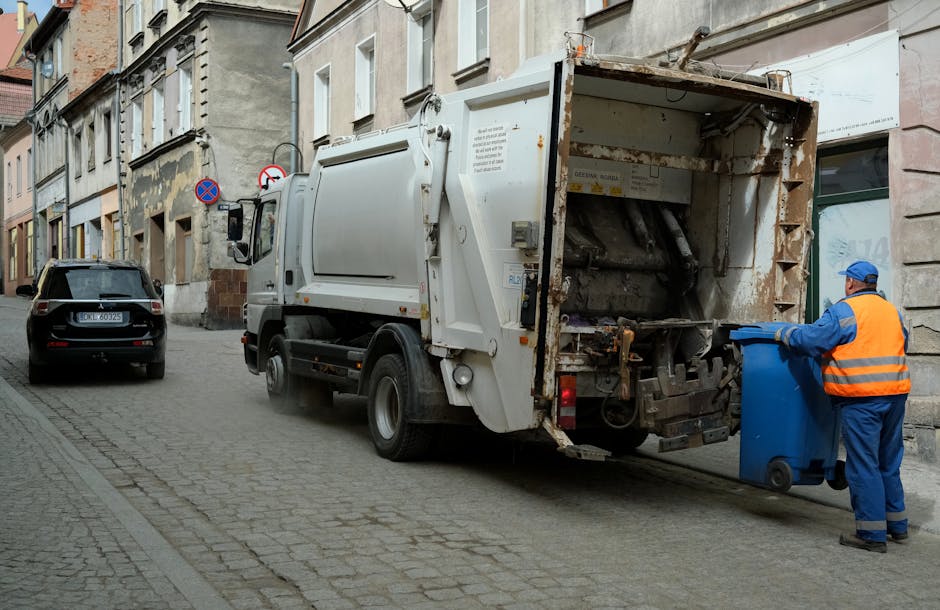
Rubbish collection for Headstone Manor and Hatch End homes
If you live in Headstone Manor or Hatch End, rubbish has a habit of building up quietly and then suddenly taking over. One day it is a broken wardrobe in the hallway, the next it is a bag of garden cuttings, an old mattress, and half a garage you meant to sort "next weekend". Rubbish collection for Headstone Manor and Hatch End homes is really about getting that clutter out safely, quickly, and without turning your Saturday into a long, dusty ordeal.
This guide explains how home rubbish collection works, what to expect, when it makes sense, and how to avoid the awkward little mistakes that can cost time or money. You will also find practical checklists, comparison points, and a real-world example so you can make a sensible decision with confidence. Let's face it, nobody wants a pile of junk hanging around just because the process feels unclear.
Why Rubbish collection for Headstone Manor and Hatch End homes Matters
Rubbish collection is not just about tidying up. In a busy home, clutter affects how a space feels, how well you can use it, and how easy it is to keep on top of everyday life. A spare room that becomes a storage dump stops being a room. A garden filled with broken planters and offcuts stops being a place you actually want to sit in. Simple enough, but it catches people out all the time.
In Headstone Manor and Hatch End, many homes deal with the usual mix of domestic waste, bulky furniture, garden rubbish, and clear-out items from lofts, garages, and home offices. Some streets have tighter access, parked cars, narrow front paths, or shared entrances, so getting rid of waste is not always a matter of dragging it to the kerb and hoping for the best. The right collection approach keeps things tidy and avoids damage to the property or driveway.
There is also a trust factor. You want waste handled properly, not guessed at. Good rubbish collection should include sorting, loading, transport, and disposal in a way that respects both your home and the environment. If you are comparing providers, it helps to look beyond the headline promise and think about what happens to the waste after it leaves your property. That is where pages like recycling and sustainability can be useful reading.
Key takeaway: A good rubbish collection service should save you time, reduce stress, and leave the property cleaner than it started. If it creates more work, it is probably the wrong fit.
How Rubbish collection for Headstone Manor and Hatch End homes Works
Most home rubbish collection jobs follow a fairly straightforward pattern, even if the pile looks chaotic at first glance. You describe what needs removing, get a quote or estimate, agree a collection time, and the team arrives to load the waste. In many cases, the collection includes lifting, carrying, and responsible disposal, so you are not left doing the heavy work yourself.
The process usually starts with the type of waste. Household junk is broad, and that matters. A few bags of general rubbish are very different from a clearance involving wardrobes, broken appliances, old carpets, builders' offcuts, or garden waste. If your clear-out includes mixed items, a provider may need a little more detail to plan the load and decide whether recycling or specialist handling is needed.
In practical terms, you can expect the job to be handled in one of three ways:
- Single-item collection: ideal for one sofa, fridge, bed frame, or similar bulky piece.
- Part-load collection: useful when you have a few bags, boxes, and furniture pieces, but not a full van.
- Full home clearance: better for larger moves, probate situations, downsizing, or major decluttering.
For more complex clear-outs, related services such as home clearance, house clearance, loft clearance, or garage clearance may be the more accurate fit. The name matters less than the actual job. That sounds obvious, but people still book the wrong thing and then wonder why it feels clunky.
On the day, good communication helps. Keep access clear, separate anything you want to keep, and point out fragile areas, low ceilings, or awkward stairs. A five-minute walkthrough can save a lot of back-and-forth later. You do not need to overprepare. Just make it easy to see what is going.
Key Benefits and Practical Advantages
The biggest benefit is time. Most people do not enjoy sorting waste into bags, loading a car in several trips, and then finding out the local tip journey takes longer than expected. A professional collection removes that hassle in one go. It is especially useful if you are juggling work, children, house guests, or a renovation project. That point alone is usually enough.
Another major advantage is safety. Heavy furniture, sharp metal edges, glass, and awkward loft boxes are exactly the sort of things that cause strained backs and bruised shins. A proper collection team knows how to move items without scraping walls or leaving the front path looking like a battlefield. Sounds basic, but it matters.
There is also the benefit of smarter sorting. Rather than treating everything as general waste, a good service will separate reusable, recyclable, and disposal-bound items where possible. If you are dealing with mixed domestic clutter, that approach can make the whole process feel much less wasteful. For example, a worn but usable chair may be handled differently from a broken chipboard cabinet.
Useful advantages at a glance:
- Less lifting and less strain
- Faster room-by-room clear-outs
- Cleaner access and less mess
- Better handling of bulky or awkward items
- More responsible waste sorting
- Less disruption for neighbours and parking
There is a quieter benefit too: mental relief. A clear hallway or empty garage changes how a home feels. You notice it when the air seems lighter and you can actually walk straight through a room without stepping sideways. Bit of a relief, really.
Who This Is For and When It Makes Sense
Rubbish collection for Headstone Manor and Hatch End homes suits more people than you might think. It is not just for major renovations or end-of-tenancy clear-outs. In everyday life, plenty of small situations add up to a service that saves time and energy.
It often makes sense if you are:
- Decluttering a home before a move
- Clearing a spare room, loft, garage, or shed
- Getting rid of bulky furniture or damaged household items
- Managing rubbish after decorating or light DIY
- Sorting garden waste after pruning, hedge cutting, or storm damage
- Helping a relative clear a property
- Preparing a property for sale or letting
It is also useful if you simply do not have the transport, time, or physical ability to manage the waste yourself. Truth be told, many people could do it themselves in theory, but theory and a wet Tuesday with a sore back are not the same thing.
If you are dealing with furniture in particular, a more specific service such as furniture clearance or furniture disposal may be a neat fit. For exterior work, especially where cuttings, branches, and old pots are involved, garden clearance can be the better route.
There are times when waiting does make sense. If you only have one small bag and a nearby collection day is imminent, local council services may be enough. But if the items are bulky, mixed, or need lifting from inside the property, a dedicated collection can be far simpler. Simple, and far less annoying.
Step-by-Step Guidance
If you want the process to feel easy, it helps to approach it in a steady order. No drama. No guesswork. Just a clear sequence.
- List what needs removing. Write down the items, room by room if needed. Include bulky pieces, bags, and anything awkward such as broken shelving or old carpets.
- Separate the waste types. Keep general household rubbish apart from garden waste, furniture, and construction debris where possible. This helps the collection team plan properly.
- Check access. Measure stairways, note parking restrictions, and think about whether the collection team can get close to the property. A narrow passage or shared entrance is useful to mention early.
- Request a quote. Use a clear description so the estimate reflects the actual job. If you are comparing options, the pricing and quotes page is a sensible place to start.
- Confirm what is included. Ask whether loading, labour, disposal, and recycling are part of the price. The cheapest quote is not always the best value if hidden extras appear later.
- Prepare the space. Move small personal items aside, protect valuables, and create a clear route from the items to the exit. Nothing fancy, just practical.
- Be available for a quick check. On arrival, a short walkthrough helps confirm what is going and what is staying.
- Review the cleared area. Once the load is out, have a look around before the team leaves. It is easier to fix a misunderstanding immediately than on a follow-up call later.
For larger or more complex jobs, you may want to combine rubbish collection with broader services such as waste removal or builders waste clearance. That is especially useful if you have leftover plasterboard, timber, old fixtures, or renovation offcuts. It keeps the job tidy and avoids piecing together half a solution.
Expert Tips for Better Results
Small decisions make a surprisingly big difference. In our experience, the smoothest rubbish collection jobs are the ones where the customer has spent five extra minutes thinking ahead. Not hours. Just five minutes.
Tip 1: Take a quick photo set before you book. A couple of clear photos from different angles often tell the full story better than a long description. It helps avoid under-quoting and awkward surprises.
Tip 2: Keep useful items separate. It is easy to throw something in the pile by mistake, especially during a clear-out when the room gets dusty and everything starts looking equally old. Keep documents, chargers, keepsakes, and reusable items in one safe corner.
Tip 3: Think about timing. If parking is easier early in the day or late afternoon on your street, book accordingly. A collection that has to circle twice for access is never fun for anyone.
Tip 4: Ask about recycling first. A thoughtful provider should be able to explain how different materials are handled. If sustainability matters to you, their recycling approach is worth checking before you commit.
Tip 5: Use the job as a reset. Once the waste is gone, do a quick clean of the area while it is empty. A swept loft or garage looks twice as good with almost no extra effort. One small sweep, job done.
Common Mistakes to Avoid
Most problems with rubbish collection are avoidable. They are usually not dramatic mistakes either, just little oversights that snowball.
- Being vague about what needs removing. "A bit of junk" does not help much. Be specific.
- Mixing restricted items with normal waste. If you are unsure about an item, mention it before collection day.
- Forgetting access issues. Steps, narrow gates, permit-only streets, and tight drives all matter.
- Leaving valuables in the pile. Happens more often than people admit.
- Choosing only on price. Cheap can be fine, but not if the service is unclear or rushed.
- Assuming all rubbish can go together. Different waste streams can need different handling.
One of the most common mix-ups is treating a full property clearance like a simple rubbish pickup. If there is a whole loft, garage, or multiple rooms involved, it is usually better to frame it as a clearance job rather than a quick collection. That keeps expectations realistic from the start.
Tools, Resources and Recommendations
You do not need a lot of equipment to prepare for rubbish collection, but a few simple tools can make the day easier. A tape measure helps with bulky furniture. Strong bin bags or rubble sacks are useful for lighter waste. Gloves are a good idea if you are sorting sharp or dusty items yourself. Nothing glamorous, just the basics.
Here are a few practical recommendations:
- Boxes or stackable tubs: useful for sorting mixed household items before collection.
- Marker pen and labels: helpful if you want to mark "keep" and "remove" areas clearly.
- Phone photos: the quickest way to share job details accurately.
- Old sheets or dust covers: useful if the route out of the house is tight and you want to protect surfaces.
- Notepad: handy for listing items that must not be taken away by mistake.
If the collection is part of a wider home tidy-up, you may also find pages like loft clearance, garage clearance, and home clearance helpful for thinking through the scope of the work. They are not just labels; they help you match the job to the right type of service.
And if you are still deciding whether the task is more about one-off rubbish or a full property clear-out, it is worth asking for guidance rather than guessing. A good team should be able to tell you which option fits best. That little conversation can save a lot of faffing about.
Law, Compliance, Standards, or Best Practice
Rubbish collection is one of those everyday services that seems simple until compliance becomes relevant. In the UK, household waste still needs to be handled properly, and it is sensible to use a provider that follows standard waste handling practice, carries appropriate insurance, and can explain where the waste goes. You do not need a lecture on regulations. You just need confidence that the job is being handled responsibly.
As a homeowner, your main concern is usually straightforward: do not hand your waste to someone who cannot explain what happens next. That is where clear communication, proper invoices or receipts where appropriate, and sensible sorting matter. If a provider mentions recycling, disposal routes, or insurance, that is generally a good sign. If they are vague, that is not ideal. Not ideal at all.
For domestic properties, best practice usually includes:
- Separating recyclable materials where practical
- Handling waste safely to avoid damage or injury
- Avoiding blocked access and unsafe lifting
- Being transparent about pricing and inclusions
- Using insured and trained teams for heavier or awkward items
If your clear-out includes items from a renovation or repair job, insurance and safety and health and safety policy information can be reassuring reading. For business-related waste, the standards and expectations can be different, so a page like business waste removal may be relevant instead. Different setting, different rules of the road.
Options, Methods, and Comparison Table
There is more than one way to handle unwanted rubbish, and the right choice depends on volume, urgency, access, and how much lifting you want to do yourself.
| Option | Best for | Pros | Possible downside |
|---|---|---|---|
| DIY tip run | Small amounts and easy-to-carry items | Can be low-cost if you already have transport | Time-consuming, lifting involved, multiple trips |
| Private rubbish collection | Bulky, mixed, or awkward domestic waste | Fast, convenient, loading included | Usually costs more than doing it yourself |
| Full home or house clearance | Large declutters, moves, probate, or whole-property clear-outs | Best for bigger jobs, very comprehensive | May be more service than you need for one or two items |
| Specialist item removal | Furniture, loft junk, garage waste, or garden debris | Focused and efficient for that item type | Less suitable for mixed waste |
The decision usually comes down to effort versus convenience. If you have a small pile and free time, DIY might be fine. If the rubbish is bulky, dusty, heavy, or simply too much to fit into a car, a collection service is often the cleaner option. And cleaner, in every sense of the word.
Case Study or Real-World Example
Here is a realistic example. A homeowner in Hatch End had been gradually filling a garage with old shelving, broken garden tools, two worn armchairs, boxed-up decorations, and half a dozen black bags that had been moved around three times but never dealt with. The garage door could barely open properly by the end. Classic case.
Rather than trying to sort everything into separate council runs, they listed the items, took a few photos, and booked a collection with access explained in advance. The team arrived, loaded the furniture, separated the reusable materials from the general waste, and cleared the garage in one visit. The homeowner then swept the floor, found a forgotten cricket bat, and suddenly had room to park the bike again.
The useful lesson here is not that every job is huge. It is that mixed domestic clutter becomes harder the longer it sits. Once a space becomes a dumping ground, people stop noticing it. Then one day it becomes urgent. A quick, organised collection avoids that slow creep.
Practical Checklist
Use this checklist before booking rubbish collection for Headstone Manor and Hatch End homes:
- List every item that needs removing
- Separate items you want to keep
- Note any heavy, sharp, or awkward pieces
- Check stairs, gates, parking, and access
- Take clear photos of the waste
- Ask what is included in the price
- Confirm whether the team will load the items
- Check whether recycling or reuse is part of the process
- Make a clear path from the items to the exit
- Keep children, pets, and valuables out of the work area
If you are planning a bigger clear-out, it may help to cross-check the job against flat clearance, office clearance, or furniture disposal depending on the type of items involved. A little planning now tends to make the whole thing easier later.
Conclusion
Rubbish collection for Headstone Manor and Hatch End homes is about more than getting rid of clutter. It is about reclaiming space, reducing stress, and handling unwanted items in a way that feels straightforward and responsible. Whether you are clearing a single bulky item or sorting through years of accumulated household waste, the best results usually come from being clear about the job, realistic about the access, and sensible about the type of service you choose.
When in doubt, take a moment to list the items, think about the route out of the house, and compare the options calmly. A smooth rubbish collection should feel like a weight has been lifted, because honestly, it usually has.
Get a free quote today and see how much you can save.
If you are still comparing providers, the most useful next step is usually to review service details, pricing clarity, and recycling standards together. That gives you a fuller picture than price alone, and it helps you choose with confidence rather than guesswork. And that, to be fair, makes the whole process a lot less stressful.
Frequently Asked Questions
What types of rubbish can be collected from a home?
Most home collections handle general household rubbish, old furniture, garden waste, loft clutter, garage junk, and mixed bulky items. If something is unusual, heavy, or potentially restricted, mention it before booking so the provider can confirm how it will be handled.
How is rubbish collection different from home clearance?
Rubbish collection is usually focused on removing unwanted waste or bulky items, while home clearance often means clearing a larger part of the property or the whole home. If you only have a few items, collection may be enough. If several rooms need emptying, clearance is often the better fit.
Do I need to sort everything before the team arrives?
No, not usually. It helps if the main waste is gathered in one place and separated from the items you want to keep, but you do not need to package everything perfectly. A clear walkthrough and a basic plan are normally enough.
Can rubbish collection help with heavy furniture?
Yes. That is one of the main reasons people use it. Sofas, wardrobes, bed frames, and similar bulky items are exactly the sort of thing that becomes awkward to move without the right help.
Is garden waste collected as part of rubbish removal?
Often, yes. Hedge trimmings, branches, old pots, and general garden debris are commonly collected, though it is still worth checking whether the job is best described as garden clearance or mixed rubbish collection.
How do I know if I need a full clearance or just a collection?
Think about scale. If the job is one room, a few bulky items, or a small pile of bags, collection is probably enough. If you are emptying a loft, garage, or whole property, a clearance service will usually be more appropriate.
What should I do if access is difficult?
Tell the provider early. Narrow stairs, steep drives, tight parking, or shared entrances can affect how the collection is planned. It is much better to mention access issues at the quote stage than to leave them as a surprise on the day.
Can rubbish collection be done quickly?
Often, yes. The time needed depends on the amount of waste, how easy it is to access, and whether the items are heavy or mixed. A small job can be quite fast, while a larger household clear-out naturally takes longer.
What happens to the rubbish after collection?
Responsible providers usually sort items for reuse, recycling, or disposal depending on what they are. The exact route depends on the waste type, but it is reasonable to ask how the material is handled before you book.
Should I choose the cheapest quote?
Not automatically. Price matters, of course, but clarity matters too. Check what is included, whether loading is part of the service, and whether the provider explains disposal and recycling properly. The best value is not always the lowest number on the page.
Is rubbish collection suitable for flat or apartment homes?
Yes, though access becomes more important. Lifts, stairwells, parking restrictions, and shared entrances need to be considered. In some cases, a more specific flat clearance service can be a better match.
What if I only have one or two large items?
That is completely normal. Many collections are booked for just one sofa, a mattress, or a couple of bulky pieces. It is often simpler than trying to move them yourself, especially if the items are awkward or heavy.