What to know about extreme clutter rubbish clearance in Hatch End
If you are facing a home, flat, loft, or garage that has become genuinely overwhelming, you are not alone. Extreme clutter rubbish clearance in Hatch End is usually less about "tidying up" and more about restoring safe access, removing waste sensibly, and helping a property feel usable again. Sometimes it is after years of accumulation; sometimes it follows a move, a bereavement, a tenancy change, or a long period where life simply got on top of things. Either way, the job needs calm planning, a practical method, and a bit of care. This guide explains what extreme clutter clearance involves, how it works, what to expect, and how to choose the right approach without making the situation harder than it already is.
Table of Contents
- Why extreme clutter rubbish clearance in Hatch End matters
- How the clearance process works
- Key benefits and practical advantages
- Who this is for and when it makes sense
- Step-by-step guidance
- Expert tips for better results
- Common mistakes to avoid
- Tools, resources and recommendations
- Law, compliance, standards and best practice
- Options, methods and comparison table
- Case study or real-world example
- Practical checklist
- Conclusion
- Frequently asked questions
Why extreme clutter rubbish clearance in Hatch End matters
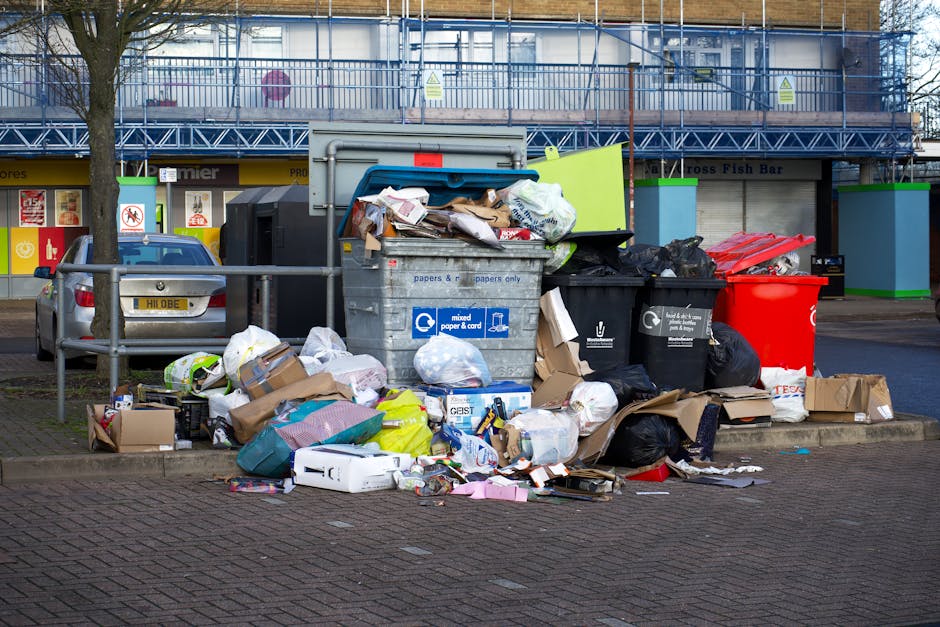
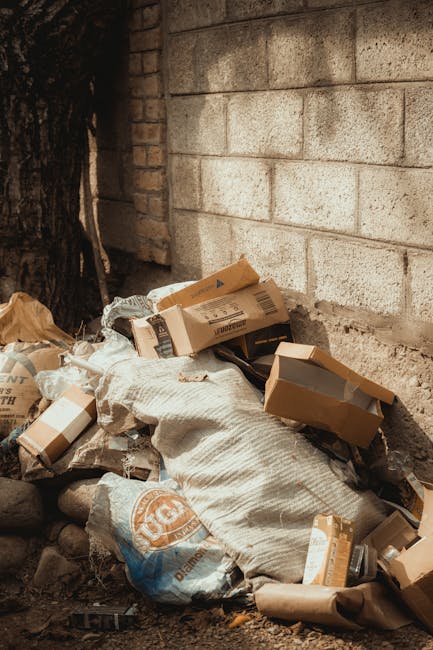
Extreme clutter is different from an ordinary room that just needs a good sort-out. You may be dealing with blocked hallways, stacked bags, broken furniture, old appliances, mixed rubbish, damp materials, or items that have been sitting for years. In that kind of space, safety and access come first. You cannot always simply start at the front door and work backwards. Sometimes you need to create a route first, then clear in stages. That sounds obvious, but in practice it is where many people get stuck.
In Hatch End, as in the rest of London, properties vary a lot. You might have a compact flat above a parade of shops, a family house with a loft packed to the rafters, or a garage that has become a catch-all for everything nobody quite knew what to do with. Each setting brings its own challenge. Narrow stairs, shared entrances, parking constraints, and neighbours close by can all affect how the clearance is planned. That is why a proper extreme clutter service is not just about lifting things out; it is about making a difficult job manageable.
There is also the emotional side, and let's be fair, it matters. People often feel embarrassed before anyone has even walked through the door. But clutter situations are rarely about laziness. More often they are about grief, ill health, disability, caring responsibilities, busy lives, or a slow accumulation that nobody noticed until one day the room stopped working. A respectful, structured clearance can relieve a lot of pressure.
Expert summary: Extreme clutter clearance works best when it is treated as a safety-led, room-by-room project, not a rushed removal job. The goal is to open up the space, remove waste responsibly, and leave the property easier to live in, use, sell, rent, or hand back.
How extreme clutter rubbish clearance in Hatch End works
The process usually starts with an assessment. That might be a quick walk-through, photos, or a description of the space if access is limited. The aim is to understand what is there, what can be removed, whether anything needs special handling, and how much labour and time the job may take. In more severe cases, the team may also look at access points, flooring condition, and whether the pile of items is stable or potentially hazardous.
After that, the clearance is planned in the safest order. Good teams usually separate the job into categories such as reusable items, furniture, general rubbish, bulky waste, and anything that needs extra care. That could include heavy items, awkward loft contents, wet materials, or mixed waste with sharp edges. The point is to avoid dragging everything out in one chaotic sweep. That just creates more mess, more risk, and usually more stress.
In practical terms, the crew will often work methodically from the easiest access point first. If a hallway is blocked, they may clear a path. If a loft is overloaded, they may remove lighter items before tackling bulky storage. If a garage contains both tools and waste, they may sort as they go. It is not glamorous work. It can be dusty, a bit noisy, and occasionally a little surreal - you do find odd things in long-neglected spaces - but a steady method beats brute force every time.
Once removal starts, everything should be loaded carefully and transported for appropriate disposal or recycling where possible. If you are comparing clearance options, it can help to look at broader services such as home clearance, house clearance, or garage clearance depending on which part of the property has become overloaded. For properties with furniture that needs separating, furniture clearance and furniture disposal may be useful next steps.
Key benefits and practical advantages
The first benefit is obvious: you get space back. But the real value goes beyond that. Extreme clutter rubbish clearance can improve safety, restore access to rooms and exits, reduce fire risk, and make cleaning or decorating possible again. If you have ever tried to hoover around towers of old boxes or squeeze through a narrow path in a storage-heavy room, you know how quickly a space becomes unusable.
There is also a practical knock-on effect. A clear property is easier to inspect, repair, rent, sell, insure, or hand over. That matters if you are dealing with a landlord timeline, an estate matter, or a move that cannot wait forever. Even a few hours of well-organised clearance can change the mood of a place. Daylight reaches the floor again. You can open windows. You can hear your own footsteps. Small things, but they count.
Another benefit is better decision-making. People often struggle to decide what to keep when every surface is buried. Once the room is cleared, decisions become clearer. That box of papers can be reviewed. That chair can be measured properly. That spare room can finally be used as, well, a room. Novel concept, really.
From a sustainability point of view, a professional approach may also improve sorting and recycling. Mixed waste is harder to manage, but separating items where possible helps reduce what ends up in landfill. If sustainability matters to you, it is worth checking the service's approach to recycling and sustainability.
Who this is for and when it makes sense
Extreme clutter clearance is not only for the most dramatic situations. It can help anyone whose space has become unsafe, blocked, or unmanageable. That may include homeowners, tenants, landlords, executors, letting agents, housing professionals, or family members helping a relative. Sometimes the need is obvious: a hallway blocked by bags and broken items, a loft inaccessible, or a garage packed from floor to ceiling. Sometimes it is more subtle, like a room that is technically accessible but impossible to use properly.
It also makes sense when time is tight. Perhaps a tenancy ends in a week. Perhaps there is an upcoming valuation. Perhaps a relative is moving into supported accommodation and the old property needs to be prepared quickly. In those moments, clearing by yourself can become a false economy. You spend hours sorting, lifting, booking waste trips, and dealing with awkward disposal, only to end up exhausted and halfway finished.
Extreme clutter rubbish clearance can be particularly useful where there are physical limitations too. If you cannot safely carry heavy bags, climb loft ladders, or work around dust and mould, bringing in experienced help is often the sensible route. No shame in that. None at all.
For office or business premises that have become overloaded with archived material, broken desks, packaging, or redundant stock, a service such as office clearance or business waste removal may be a better fit than a general domestic clearance. If building work has created additional waste, builders waste clearance can be relevant too.
Step-by-step guidance
If you are facing an overwhelming pile-up, the best way forward is usually one careful step at a time. Here is a practical approach that works better than trying to "just get on with it" in one frantic day.
- Identify the main problem areas. Start by noting which rooms, access points, or storage spaces are affected. A quick list is enough. Be honest about the worst areas.
- Separate urgent safety issues. Look for blocked exits, unstable piles, trip hazards, damp materials, broken glass, needles, sharp tools, or anything that could cause injury.
- Decide what must stay. Keep medicines, identity documents, keys, cash, sentimental items, and anything needed immediately. Put them in one secure place.
- Choose the clearance scope. Full property, one room, loft only, garage only, or a combination? A focused scope often helps when the task feels too big.
- Ask for a clear quote. The price should reflect labour, access, waste volume, and any special handling needs. If you are comparing options, the page on pricing and quotes is a sensible place to understand how estimates are usually approached.
- Prepare access. If possible, make sure entrances, gates, and parking arrangements are understood before the team arrives. In tighter streets, this can save time and hassle.
- Clear in layers. The best crews work from top of pile to bottom, or from front to back, depending on the layout. They sort as they remove, rather than creating a mountain in the driveway.
- Check the final sweep. Once the main clutter is gone, look for overlooked items, unsafe fixings, or waste that may have been hidden behind furniture.
That is the core method. Simple enough on paper. In a clutter-heavy house, though, it is the discipline of keeping to the process that makes the difference.
Expert tips for better results
First tip: do not start with the most emotionally difficult item. People often think they should sort sentimental belongings first, because "that is where the value is". In reality, starting there can stall the whole job. Begin with obvious rubbish, duplicates, and dead space. You build momentum that way.
Second tip: photograph before and after. It sounds a bit obvious, but photos can help track progress and reassure anyone else involved in the property. They are also useful if several people need to agree on what was cleared. A quick phone snapshot is enough.
Third tip: keep one box for "decide later". Not a giant box. One box. If you make the decision pile too big, it becomes a parking bay for indecision. Truth be told, we have all done it.
Fourth tip: protect the easy-to-forget surfaces. Floors, bannisters, and corners take a beating during a clearance. If there is damp, mould, or fragile plaster, it is worth mentioning early so the team can work more carefully. For general safety and method, the pages on health and safety policy and insurance and safety can help set the right expectations.
Fifth tip: if the space smells strongly of stale waste, damp, or old food, open what windows you can before work begins. Even a little airflow changes the feel of the room. It is a small thing, but when a room has been shut up for ages, you notice it immediately.
Common mistakes to avoid
One common mistake is underestimating the volume. A room can look manageable until you start moving items and realise the pile has been hiding behind furniture, under tables, and up into the eaves. In clutter jobs, what you cannot see often matters more than what you can.
Another mistake is trying to mix sorting, cleaning, and disposal all at once. That can turn a clearance into a never-ending loop. Sort first, remove second, clean after. Or at least that sequence for the bulk of the job. Doing everything at once feels productive for about half an hour, then it starts to wobble.
People also sometimes forget access and parking. In Hatch End, that can matter a lot more than they expect. If a vehicle cannot park close enough, the job takes longer. If a narrow stairwell is involved, large items may need disassembly. If there are shared entrances, neighbours should not be put through a day of constant obstruction. A little planning saves a lot of awkwardness.
It is also a mistake to ignore safety signs. Wet patches, collapsing cardboard, heavy stacked bags, pests, mould, and hidden sharps are all signs that the job needs slower, more controlled handling. If something feels off, it probably is. Do not just shove ahead and hope for the best.
Finally, avoid choosing purely on speed. A quick removal is useless if waste is not handled properly or if the property is left in worse condition. A reputable team should balance pace with care.
Tools, resources and recommendations
For smaller, lighter stages of clearance, simple tools can help: strong sacks, gloves, dust masks, labels, marker pens, and sturdy boxes. A torch is surprisingly useful in lofts, cupboards, and garages where the light is poor. If you are sorting documents, having shredding or secure disposal plans in mind is wise too, even if the paper itself is not the biggest part of the job.
For more complex clearances, the most useful resources are actually organisational rather than physical. A notebook, a room-by-room list, and a timeline often matter more than a fancy trolley. If several people are involved, agree on the same rules before anyone starts. What counts as keep, donate, recycle, or remove? Decide that early. It avoids arguments later on, and yes, people do get surprisingly emotional about old extension leads.
There are also a few service pages worth understanding if your clutter overlaps with specific spaces. A packed loft may call for loft clearance. A hard-to-navigate flat may need flat clearance. A building with several obsolete items and mixed junk might be better treated under waste removal. If the problem is mainly old household items, you may also find furniture clearance useful.
If you want a provider that explains its wider business approach, the about us page is a good place to look for background. And if you need to ask a question directly, the contact us page is there when you are ready.
Law, compliance, standards and best practice
For extreme clutter rubbish clearance, compliance matters because waste still has to be handled responsibly. In the UK, people generally expect waste to be managed by a legitimate operator, transferred properly, and not fly-tipped or dumped in the wrong place. You do not need to become a waste law expert to protect yourself, but you should be careful about who removes items from your property.
Best practice usually includes clear communication about what is being taken, care around potentially hazardous items, sensible handling of recyclable materials, and appropriate disposal routes for mixed waste. If you are dealing with anything unusual - for example, sharp objects, electrical items, damp material, or suspect contents in a loft - raise it before the job starts. A cautious note on the front end is much better than a surprise halfway through.
Insurance and safety are also part of the picture. A clearance team should have a sensible approach to protecting people, the property, and their own workers. That means handling heavy items properly, not forcing unsafe lifts, and being clear about what happens if the job becomes more complicated than first expected.
For payment, paperwork, and service terms, it is worth checking the relevant site pages so nothing feels vague or hidden. The pages on payment and security and terms and conditions can help set expectations in plain language. If you are someone who likes the details before committing - fair enough, most of us do - that is sensible rather than fussy.
Options, methods and comparison table
Not every clutter problem needs the same solution. Sometimes you need a full team. Sometimes a smaller, targeted removal is enough. The right method depends on volume, access, urgency, and what the items actually are.
| Option | Best for | Pros | Limitations |
|---|---|---|---|
| DIY clearance | Small, low-risk clear-outs | Low direct cost, full control | Time-consuming, physical strain, disposal logistics |
| Partial room-by-room clearance | Moderate clutter with usable access | Flexible, manageable in stages | Can drag on if decisions are delayed |
| Professional extreme clutter clearance | Heavy clutter, blocked spaces, time-sensitive jobs | Fast, safer, more organised, less stress | Costs more than doing it yourself |
| Specialist clearance by space type | Lofts, garages, flats, offices, furniture-heavy areas | Better matched to the space, often more efficient | May not cover every type of waste in one visit |
A simple way to decide is this: if the job needs heavy lifting, multiple trips, or careful sorting under pressure, a professional clearance usually makes more sense. If it is just a handful of bags and a spare hour, DIY may be fine. The trick is being honest about the scale. People often are not, at least not on the first attempt.
Case study or real-world example
A typical Hatch End scenario might involve a family house where the loft, back bedroom, and garage have all become storage zones over many years. Boxes have been stacked in layers, old furniture has been kept "just in case", and some items are now too awkward to move safely without clearing a path first. The family knows the property needs work, but every time they start, they get bogged down deciding what belongs to whom.
In that sort of case, the most effective approach is usually to split the task into zones. The loft is assessed first because it is least accessible and most likely to contain fragile or dusty items. The garage is then cleared because it is often a mix of tools, packaging, and household overflow. Finally, the main room is tackled once there is enough space to sort properly. That sequence tends to reduce stress, because each area becomes easier after the previous one is done.
What changes most is not just the amount of rubbish gone. It is the atmosphere. By late afternoon, the stale smell has lifted a little, the floor can be seen again, and there is room to stand back and think. That moment matters. It gives people momentum, and sometimes that is the hardest part to create.
Practical checklist
Use this as a quick pre-clearance checklist if you are preparing for extreme clutter rubbish clearance in Hatch End.
- Identify the rooms or storage areas that need attention.
- Set aside documents, medicines, keys, valuables, and sentimental items.
- Note any hazards such as damp, pests, sharp items, or unstable piles.
- Check whether parking or access needs to be arranged in advance.
- Decide whether the job is full clearance or partial clearance.
- Separate obvious keep, donate, recycle, and remove items where possible.
- Make sure you understand the quote and what it includes.
- Ask how bulky furniture, awkward items, and mixed waste will be handled.
- Confirm whether recycling is part of the disposal process.
- Plan what you want the space to be used for after the clearance.
If you can tick most of those off, the day usually runs much more smoothly. Not always perfectly. But much better.
Get a free quote today and see how much you can save.
Conclusion
Extreme clutter rubbish clearance in Hatch End is about more than taking waste away. It is about making a property safe, accessible, and workable again without adding extra strain to an already difficult situation. When the job is handled with a calm plan, the right equipment, and respect for the property and the people involved, the whole process becomes much easier to live through.
Whether you are dealing with a full house, a blocked garage, an overloaded loft, or a flat that needs a serious reset, the best next step is to assess the scale honestly and choose a method that matches it. Take it one section at a time. That is usually where progress starts.
And once the clutter is gone, the silence in the room can feel almost surprising. A little ordinary space again - that is often the real win.
Frequently Asked Questions
What counts as extreme clutter rubbish clearance?
It usually refers to situations where clutter or rubbish is so severe that normal cleaning is not enough. The space may be blocked, unsafe, difficult to access, or overloaded with mixed waste, furniture, and old possessions.
How is extreme clutter different from a standard house clearance?
Standard house clearance often involves removing items from a property that is still reasonably accessible. Extreme clutter work is more complex because items may be layered, difficult to reach, or spread across multiple rooms in a way that needs careful staging.
Can a clearance be done if the property has narrow stairs or poor access?
Yes, often it can, but access needs to be assessed first. Narrow stairs, shared entrances, or limited parking can affect the time, method, and labour required, so it is best to mention these early.
Do I need to sort everything before the clearance team arrives?
No, not usually. It helps if you can set aside valuables, documents, and anything definitely staying. But a good clearance service should be able to handle the bulk of sorting as part of the job.
What happens to furniture during extreme clutter clearance?
Furniture is normally assessed separately because some pieces may be reusable, some may need disposal, and some may need careful removal because of size or weight. If furniture is a major part of the job, a dedicated furniture service can be helpful.
How long does an extreme clutter clearance take?
It depends on the size of the property, the amount of waste, access, and whether special handling is needed. A single room may be manageable quickly, while a whole property with heavy clutter can take much longer.
Is extreme clutter rubbish clearance safe in homes with damp or mould?
It can be, but it should be handled carefully. Damp, mould, or contaminated materials may require extra caution, better protective equipment, and slower handling to avoid spreading the problem.
Can clutter clearance help before selling or renting a property?
Yes. Clearing a property can improve access, presentation, and practicality, which is often useful before valuations, viewings, repairs, or tenancy handovers.
How should I choose a clearance provider?
Look for clear communication, sensible pricing, a practical approach to access and safety, and a service that explains how waste will be handled. Transparency matters a lot here.
What if I am embarrassed about the state of the property?
That is very common. Most people in this situation are not being judged. The main thing is to focus on the outcome you want and work with a team that treats the job respectfully.
Is recycling considered during clutter clearance?
It should be where possible. Mixed waste can be harder to separate, but many items can still be sorted into appropriate disposal or recycling routes if the service handles that properly.
What is the best first step if I feel overwhelmed?
Start with one small decision: identify the worst room, set aside essential items, and ask for a quote or assessment. Once the process begins, it usually feels less impossible than it did from the doorway.